
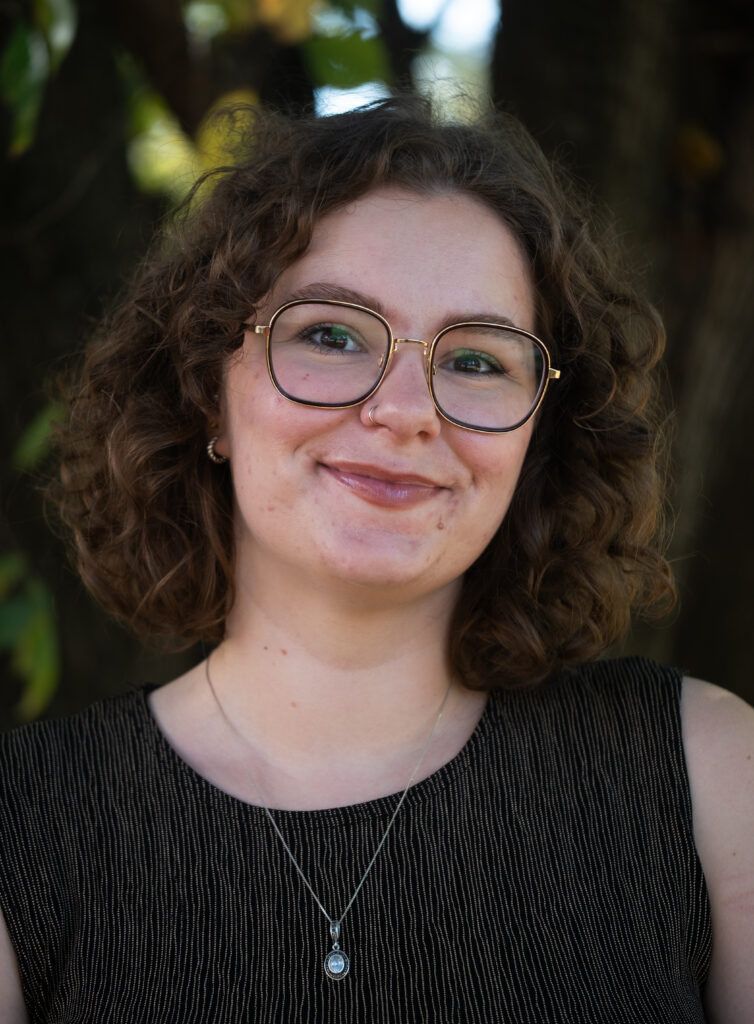
Casey is a psychotherapist at Wildflower. In her clinical practice, Casey draws on trauma-informed practices, Relational Cultural Therapy, Psychodynamic Theory, Acceptance and Commitment Therapy. Casey works with adolescents and adults experiencing stressful transitions including the transition to university, parenthood, concerns regarding immigration, career changes, anxiety, mood disorders, trauma, sexual challenges, and relationship issues. Casey has experience working with individuals with migration-related trauma and survivors of sexual and psychological abuse. She obtained her master’s degree at The University of Chicago in Social Work, Policy, and Administration. Read Casey’s full bio here.
What inspired you to pursue a career as a psychotherapist?
My path to psychotherapy is a bit unconventional! Growing up, I was described as having “an old soul” and spent much of my time reading books and learning from the world around me. Questions around inequality, policy, and ineffective systems drew me to study International Affairs and Political Science in college, where I completed several internships at government agencies. These internships taught me a great amount about the inner workings of government; and how, in most cases, decision makers did not consult the populations they represented or made decisions for. My first job after college was at a community-based mental health clinic supporting survivors of torture and immigration-related trauma, working on programmatic development and administration. As a part of my role, I often greeted new and returning clients to our center and eventually came to develop meaningful relationships with our regulars. These folks were activists, community leaders, lawyers, and officials who advocated for human rights and against inequality in their home countries. This advocacy put their lives in danger and forced them to flee and seek asylum in the United States, leaving behind their families and communities. Hearing these stories and witnessing the efforts people put into healing and reestablishing a life for themselves was and continues to be my main inspiration for this work. I learned that our mental health is not just an individual problem; rather, it is influenced by the people we keep, the resources we have access to, and the identities we hold. I chose to pursue social work because of its attunement to these factors and am committed to building a therapeutic practice that aims to understand you as a whole person, not just your symptoms.
As a psychotherapist, what part of your job is most satisfying?
Definitely the most satisfying is when a client comes to a conclusion or answers a question on their own in therapy. I believe that people hold all the knowledge and answers they need, and my job as a therapist is to support you in uncovering these answers and re-discovering personal knowledge. It is so wonderful to bear witness to someone’s self-discovery.
How would you describe your therapeutic approach?
I would say my therapeutic approach is warm, non judgemental, creative, and empathetic but direct. Laughter and humor are important to me personally, so I love incorporating those parts of me into my therapeutic practice. I use a combination of evidence-based tools like mindfulness and coping skills, as well as incorporating arts, spirituality, and other practices that are important to you.
Why do you believe that psychotherapy can help?
Having a time and space where you are truly listened to and cared for can make a world of difference. It can help you develop insight into patterns in your emotions and life that drive how you interact with the world. Therapy can also provide a space for you to make meaning of confusing or traumatic experiences and ultimately become more comfortable and confident in your personhood.
What are some of your specialties and what drew you to them?
My main area of focus is working with individuals who have experienced trauma, and I have specific training in working with experiences of domestic abuse, sexual violence, political and identity-based torture. Naming the unspeakable and creating a safe space where these difficult experiences can be understood and explored is a goal of mine as a psychotherapist. At the University of Chicago, I was a Kiphart Global Scholar and received training based in comparative models of social work, cultural humility, and critical self-reflection. This program allowed me to develop a clinical framework that is attuned to the person in front of me and adaptable. As a part of this training program, I spent two months in Nairobi, Kenya learning from community-based organizations and the public health institute. I completed my clinical training here in Chicago at a domestic violence rehousing program and the Marjorie Kovler Center for Survivors of Torture. I am trained in evidence-based approaches for addressing trauma, anxiety, and depression including Acceptance and Commitment Therapy and the triphasic model of trauma treatment. As a newer clinician, I am excited to expand my clinical practice and work with individuals of all experiences and backgrounds. I am interested in supporting individuals navigating new life changes, parenthood, university, and relationship challenges.
What is one thing about psychotherapy you wish everyone knew?
Psychotherapy is not just for times of crisis! It is an incredibly powerful tool that can help you know more about yourself – this knowledge is useful in all parts of your life. Also, your therapist doesn’t mind when you correct them on something or ask a question, we love to make this experience better for you!
What is your motto or personal mantra?
In times of uncertainty and difficulty, I often remind myself, “you’ve made it this far!” When a problem or situation feels impossible, it is a helpful reminder to reflect on previous difficulties that you’ve overcome. Another daily favorite is “What can I do to help my future self?” it helps me wash my dishes before bed and make sure I eat a good dinner, amongst other self-care practices!
What are your favorite self-care activities?
Recharging after a long day with my cat, Smooch, is a key practice for me. My grandma taught me to knit when I was a kid, and it has become a crucial grounding practice for me, aside from being something that I really enjoy! Sitting in the sun (no matter the temperature), going bird watching, or watching a good show or movie with my friends are all things that help me feel like myself.