

Being overwhelmed is something that everyone has experienced. When we are in this overwhelmed state, we are not able to be our best selves, and it sometimes feels like we have lost control of our emotions and our actions. This experience can feel like we are “seeing red” or like it saps us of all…
Areas of Specialty
Insert a description for Wildflower specialties

Therapy Insights: Learning to Control What We Can Control
You may have heard the old phrase, “Nothing is certain except death and taxes.” This quote resonated with me as I with thinking about this post, mostly for its incompleteness, especially in the context of my work. Being a therapist, one thing I witness day in and day out is the inevitability of pain. If…

The Importance of New Moms Support Groups
All Moms Need Support Whether you are a first time mom, or welcoming additional children to your family, a new moms support group can be a lifeline, providing a validating, warm, and supportive space to share your experience and learn from others in this same stage of life. When we share our joys and challenges…
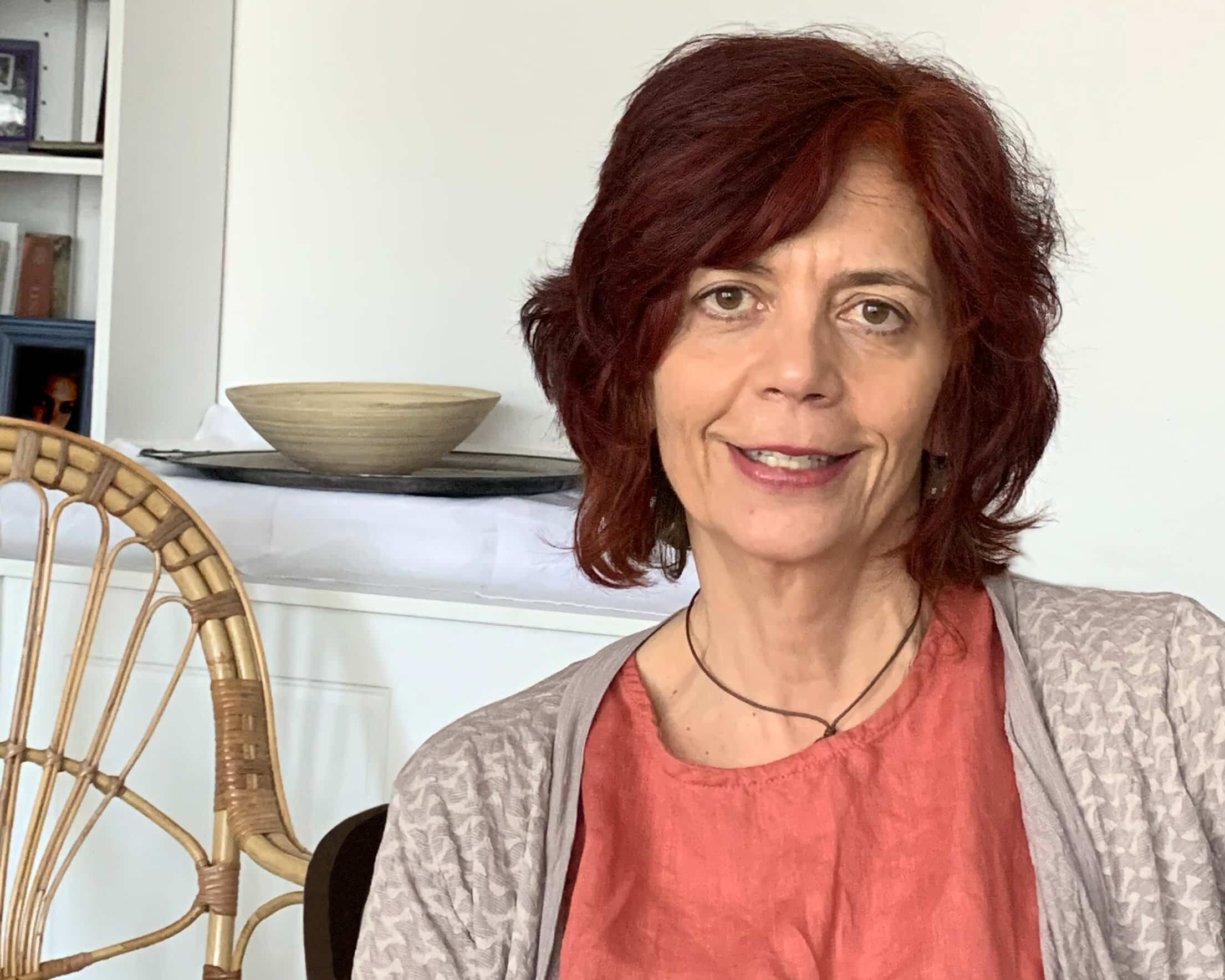
Perimenopause and Mental Health: An Interview with Reproductive Psychiatrist Dr. Vesna Pirec, MD, PhD
Perimenopause is a major life transition that affects both the body and mind. While it’s often recognized for causing irregular periods and hot flashes, its impact on mental health can be just as significant. In this conversation, Wildflower’s co-founder Aga Grabowski, LCSW, PMH-C, CST, interviews Dr. Vesna Pirec, MD, PhD, a board-certified psychiatrist specializing in…

Therapist Certification in Perinatal Mental Health: An Interview with Marco Renzi, MA, LCSW, PMH-C
We recently featured a Q & A with Marco Renzi, MA, LCSW, PMH-C, an experienced psychotherapist, clinical supervisor, and manager of intake operations at Wildflower Center for Emotional Health, to discuss his deep commitment to supporting individuals and couples as they transition to parenthood. In the video below, Marco expands on the significance of therapist…

The Overwhelmed Working Parent: Finding Space to Breathe
As a working parent, I know firsthand how relentless the demands of life can feel. It’s as if there’s an endless ticker tape of tasks running through your mind: emails to answer, meals to prepare, forms to fill out, and let’s not forget the mental gymnastics required to ensure you’re giving your kids the best…

Mental Health in the Perinatal Period: Interview with Marco Renzi, LCSW, PMH-C
In this interview, we sat down with Marco Renzi, MA, LCSW, PMH-C, an experienced psychotherapist, clinical supervisor, and manager of intake operations at Wildflower Center for Emotional Health, to discuss his deep commitment to supporting individuals and couples as they transition to parenthood. Marco brings a compassionate and informed approach to his work with both…

Perimenopause: Debunking Unhelpful Myths
Perimenopause is the period of time leading up to menopause when women begin to undergo hormonal changes, such as fluctuations in estrogen and progesterone levels, which can then cause a variety of physical, emotional, and cognitive symptoms. While this phase most commonly begins in the 40s, it can start as early as the late 20s…

Perinatal Mental Health: A Guide for Therapists
As therapists, we are acutely aware of the complex interplay between mental health and life’s transitions. One of the most significant yet often overlooked transitions occurs during the perinatal period—encompassing pregnancy and the first year postpartum. Understanding perinatal mental health is essential for us to support our clients effectively during this transformative time. The Importance…

ACT, CBT, DBT, EMDR, ERP: A Guide to Evidence-based Therapies
When you first enter the world of therapy, you might not know exactly where to start. That might have something to do with a feeling that you don’t know the lingo and can’t make sense of the alphabet soup. Every therapist will have a slew of letters behind their name – LCSW, PsyD, CST, LMFT,…